Morgan Hill Pauses New Data Centers: What Homeowners Should Know
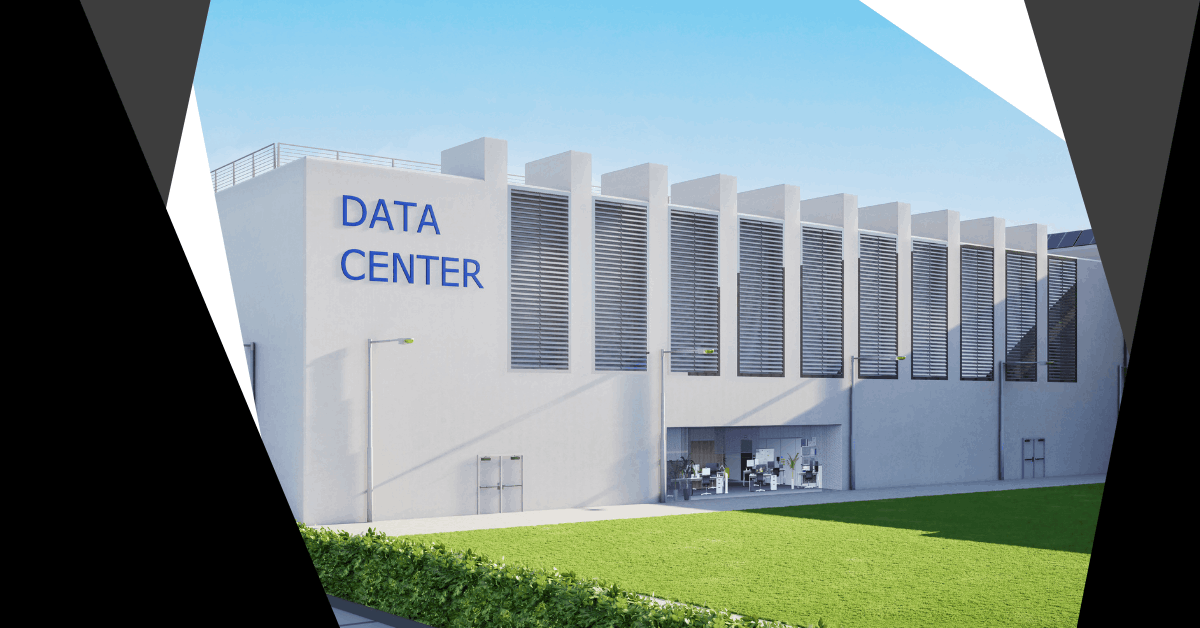
Morgan Hill Hits Pause on New Data Centers. What Does It Mean for Homeowners?
Morgan Hill is taking a temporary pause before allowing new data centers and large battery-storage facilities to move forward in the city.
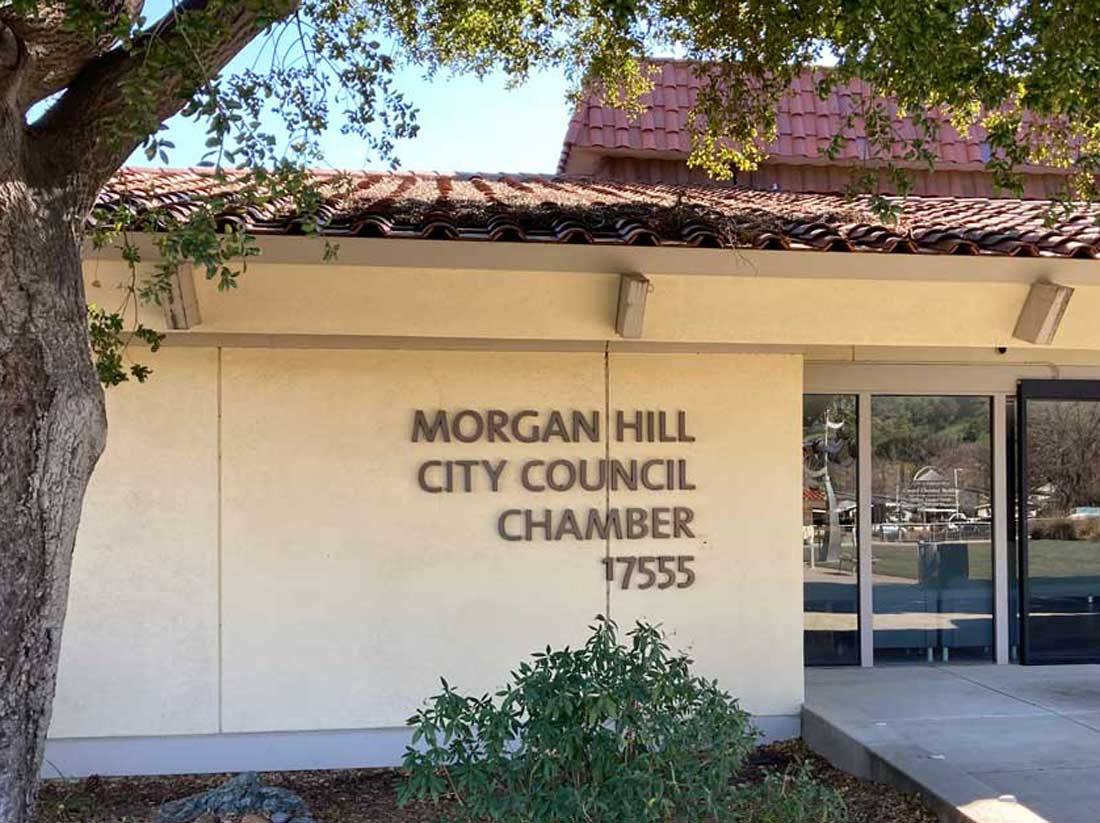
On August 26, the Morgan Hill City Council unanimously approved a 45-day moratorium on new freestanding data centers and grid-scale battery energy storage facilities.
This is not a ban.
The temporary moratorium gives city staff time to develop zoning standards specifically addressing these types of projects before new applications are accepted, processed, or approved.
Why Is Morgan Hill Taking a Closer Look?
Data centers have become a much larger development issue across the country, driven in part by the growth of cloud computing and artificial intelligence.
And they are increasingly moving into communities that have never dealt with them before.
These facilities can bring investment, jobs, and tax revenue, but they can also create questions around electricity demand, infrastructure, noise, water use, traffic, environmental impacts, and proximity to residential neighborhoods.
That is essentially what Morgan Hill is trying to address before the next application arrives.
What Could a Data Center Mean for Home Values?
That is probably the question most homeowners want answered.
Does having a data center nearby hurt property values?
So far, the research does not show an automatic decline.
Studies comparing communities before and after large data centers opened have generally found that home prices continued to move similarly to comparable areas without a new facility.
That does not mean location is irrelevant.
A specific project's proximity to homes, noise, utility infrastructure, construction activity, traffic, appearance, and other local impacts may still influence how individual buyers perceive a neighborhood.
There is also an important limitation to the available research. Many of the newest facilities are larger and more power-intensive than older data centers, so longer-term effects are still being studied.
Why This Matters in Morgan Hill
Morgan Hill's decision is less about whether data centers are inherently good or bad and more about having appropriate rules in place before development occurs.
That matters in a community where industrial and residential areas can sit relatively close together.
The city now has an opportunity to decide where these facilities make sense, what standards they should meet, and how potential impacts on surrounding neighborhoods and infrastructure should be addressed.
For homeowners and buyers, it is also a reminder that major land-use decisions can affect more than the property where the project is located.
They can influence infrastructure, traffic patterns, utilities, future development, and ultimately how people perceive different parts of a community.
I'll be watching what Morgan Hill decides when the temporary moratorium expires and what permanent zoning rules the city proposes.
What do you think? Should Morgan Hill be cautious about where data centers and large battery-storage facilities are allowed?
Discover South County | Your Local Insider Guide
Sources:
Morgan Hill Times
Realtor.com
Categories
Recent Posts